
If you or someone you love has struggled with depression that won’t improve with medication or therapy, you’ve probably come across the debate over TMS vs ECT. Both are recognized brain stimulation treatments used for treatment-resistant depression, but they differ in many ways. This article breaks down the science, side effects, outcomes, and costs so you can understand why many clinicians and patients now recommend TMS, often as a first choice. We’ll also naturally highlight how Bright Horizons Psychiatry in Rockville, Maryland offers patient-focused TMS care.
What Are TMS and ECT?
Both treatments fall under neuromodulation — a way to change how brain circuits function. Depression alters the activity of networks in the brain. TMS uses magnetic pulses to target specific mood-related regions. ECT uses controlled electrical stimulation to trigger a brief seizure while the patient is under anesthesia.
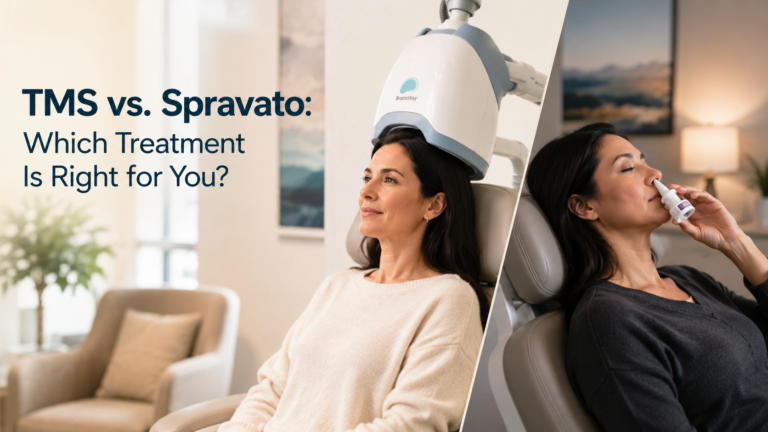
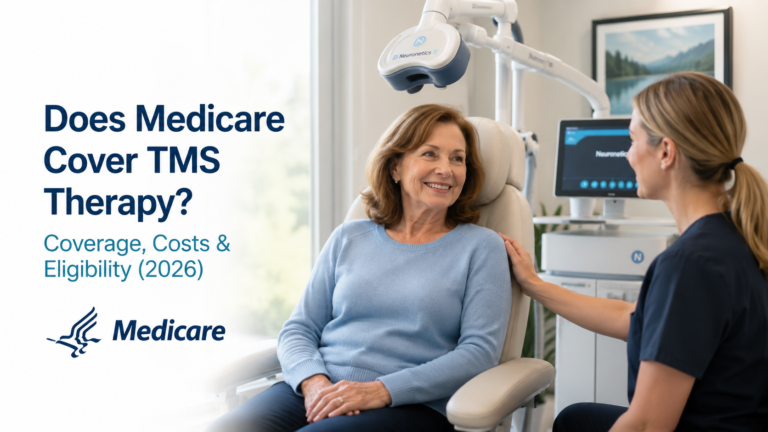
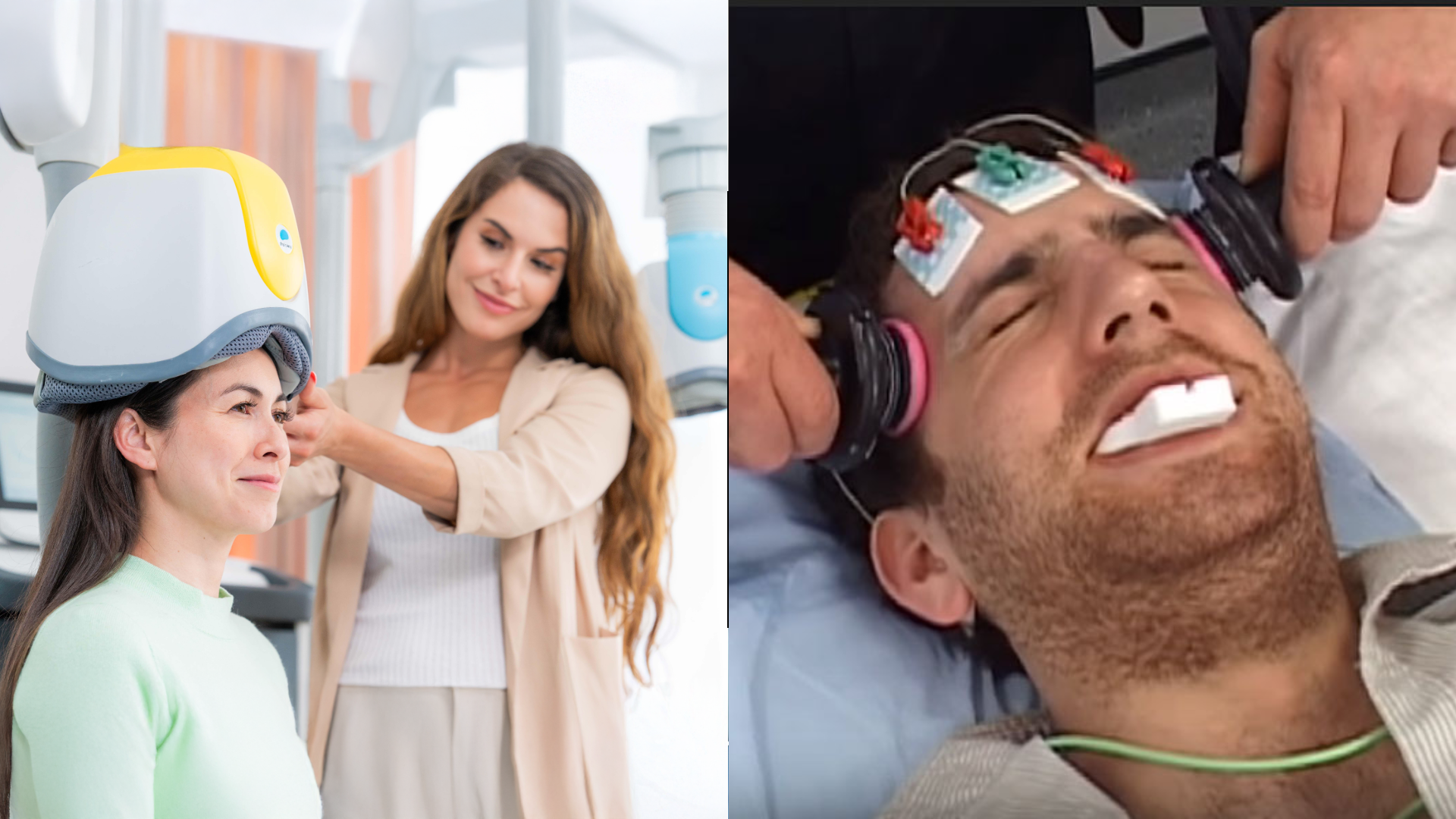
Transcranial Magnetic Stimulation (TMS)
- Uses an electromagnetic coil placed near the scalp
- Magnetic pulses stimulate nerve cells in the prefrontal cortex
- No anesthesia needed
- Outpatient treatment with minimal recovery
- Sessions are typically 20 – 40 min, five days a week for several weeks
- TMS does not trigger a seizure or cause memory loss
Electroconvulsive Therapy (ECT)
- Delivered in a hospital setting
- Requires general anesthesia and a muscle relaxant
- Weak electrical current triggers a controlled seizure
- Treatments occur 2 – 3 times per week for several weeks
- ECT can provide faster symptom relief in some severe cases
TMS vs ECT: Side-by-Side Comparison
Below is a detailed comparison across essential fields that matter for patients and providers.
| TMS (Transcranial Magnetic Stimulation) | ECT (Electroconvulsive Therapy) | |
|---|---|---|
| How it works | Magnetic pulses target mood-related brain regions | Electric current induces brief therapeutic seizure |
| Anesthesia required | No — patient is fully awake | Yes — general anesthesia required |
| Setting | Outpatient — no hospital stay | Hospital or clinical setting required |
| Session length | 20–40 min, 5×/week for 4–6 weeks | 30–60 min (incl. recovery), 3×/week for 2–4 weeks |
| Common side effects | Mild headache, scalp discomfort | Confusion, memory loss, headache, muscle aches |
| Memory effects | None — cognitive function preserved | Short/long-term memory loss in up to 60% of patients |
| Effectiveness (TRD) | 50–55% response; 30–35% remission | 70–90% response — stronger for severe cases |
| Cost (US, per course) | $6,000–$12,000 | $12,000–$20,000 |
| Insurance coverage | Widely covered after failed antidepressants | Broadly covered — often easier to get approval |
| After treatment | Drive home, return to work same day | Requires escort home, recovery time needed |
| Best for | Most TRD patients — strong tolerability | Severe, urgent, or psychotic depression cases |
| Patient preference | Preferred by most patients when both available | Accepted when rapid response is critical |
This table reflects the core evidence from clinical literature comparing outcomes, tolerability, and patient outcomes.
Side Effects and Safety
TMS
TMS is known for a lower side-effect burden. The most common reactions are mild and temporary, often occurring in the first few sessions. These include:
- Headache
- Scalp discomfort
- Lightheadedness
- Facial muscle twitching
The risk of a seizure with TMS is extremely low, and cognitive function is preserved because anesthesia and seizure induction are not part of the procedure.
ECT
ECT side effects are broader due to anesthesia and seizure mechanisms:
- Post-treatment confusion
- Headache or nausea
- Muscle soreness
- Memory loss around treatment sessions
- Rare long-term memory gaps
While many side effects improve over time, memory issues can persist for some people. This is a key reason patients and clinicians may prefer TMS when appropriate.
Effectiveness: Which Works Better?
Research consistently shows that both TMS and ECT are effective for treatment-resistant depression, but they differ in how and how often they help.
Response Rates
- ECT often shows higher short-term response rates, particularly in severe depression.
- Conventional rTMS response rates are typically lower than ECT in older studies.
- Newer and optimized TMS protocols show stronger response and remission rates, with some clinical programs reporting up to 83 % response and 62 % remission.
Remission Rates
- ECT reports remission for many patients with severe depression.
- TMS also achieves significant remission, especially with advanced targeting and high-frequency protocols.
A large network meta-analysis of brain stimulation treatments found ECT to have the highest probability of being most effective in acute major depressive episodes, followed by TMS. However, newer TMS approaches continue to improve effectiveness and durability.
Memory & Cognitive Effects
TMS does not cause memory loss. Because TMS does not require anesthesia or induce a seizure, cognitive function is fully preserved throughout treatment. Some research even suggests TMS may enhance cognitive clarity in certain patients by improving neural activity in mood-related brain regions.
ECT and memory loss are closely linked. In clinical studies, up to 60% of ECT patients report short- to intermediate-term memory side effects, particularly autobiographical memory loss — forgetting events that occurred around the time of treatment. For most patients, memory gradually recovers over weeks to months after treatment ends. However, for some, certain memory gaps can persist long-term.
This difference is one of the primary reasons patients and clinicians often prefer TMS when it is clinically appropriate — particularly for patients who rely heavily on memory and cognitive performance in their daily or professional lives.
Cost: TMS vs ECT
Cost is a practical consideration for most patients weighing TMS vs ECT.
A full course of TMS therapy typically costs between $6,000 and $12,000 in the United States, depending on the number of sessions and provider. Because TMS is outpatient and requires no anesthesia or hospital admission, costs are moderate relative to other advanced treatments.
ECT is generally more expensive, with a full course ranging from $12,000 to $20,000 or more. Hospital facility fees, anesthesiology, and recovery room costs all contribute to the higher total.
Insurance coverage for both treatments has improved significantly. Most major insurers now cover TMS for treatment-resistant depression following documented failed antidepressant trials. ECT has historically had broader insurance approval. At Bright Horizons Psychiatry, we verify your insurance coverage before your first appointment so you know exactly what to expect.
Which Is Right for You?
TMS or ECT: Which Is Right for You?
The choice between TMS and ECT depends on the severity of your condition, your medical history, lifestyle, and treatment goals. Here’s a simple guide:
TMS may be the better fit if you:
- Have treatment-resistant depression but are not in acute crisis
- Want to avoid anesthesia and hospital settings
- Need to maintain your daily routine during treatment
- Are concerned about memory or cognitive side effects
- Have previously tried ECT and experienced significant memory loss
ECT may be the better fit if you:
- Have severe, life-threatening depression requiring rapid response
- Have not responded to TMS or other treatments
- Are experiencing psychotic features alongside depression
- Need the strongest possible intervention in an inpatient setting
Not sure which applies to you? The team at Bright Horizons Psychiatry can evaluate your clinical history and help you decide. We offer TMS in-house — and can refer you to an ECT provider if that’s the more appropriate path.
What Patients Say
Several studies and surveys highlight patient preference as a meaningful discussion point. When both treatments are available, many patients express a preference for TMS because it is better tolerated and lacks anesthesia and cognitive side effects, even if ECT may sometimes produce a stronger short-term effect.
TMS in Practice: Bright Horizons Psychiatry in Rockville, Maryland
If you are considering TMS as a treatment for treatment-resistant depression, Bright Horizons Psychiatry in Rockville, Maryland offers personalized, patient-centered care. The team evaluates your clinical history and symptoms and tailors a TMS protocol that fits your needs.
At Bright Horizons:
- You receive a thorough clinical assessment
- A customized TMS plan can be developed
- Progress is tracked throughout the course of treatment
- Support is offered during and after therapy
Many patients at Bright Horizons have found meaningful relief with TMS after medications and therapy did not help. This reflects the growing understanding that TMS can often reduce symptoms effectively with fewer side effects and less disruption to daily life.
Comparing TMS vs ECT reveals meaningful differences. ECT remains a powerful treatment, especially in severe or urgent situations. It is often more effective in the shortest term.
But for many individuals with treatment-resistant depression, TMS offers a highly effective alternative with:
- Minimal side effects
- No anesthesia
- Outpatient convenience
- Strong response and remission rates in modern protocols
- Fewer cognitive concerns
TMS’s evolving evidence and real-world outcomes make it a compelling first choice for many patients and clinicians. If you’re exploring options, discussing TMS with a specialist is a strong next step.
For an expert evaluation and tailored care, consider reaching out to Bright Horizons Psychiatry in Rockville, Maryland to see if TMS is right for you.