
Traditional TMS takes 6–7 weeks of daily appointments. Accelerated TMS compresses that timeline into 1–2 weeks. If you’re struggling with treatment-resistant depression, have considered TMS but feared the lengthy commitment, or need relief urgently—this might be the faster path forward.
In this guide, I’ll explain what accelerated TMS therapy is, how it differs from standard TMS, what the real costs and benefits are, and whether Bright Horizons Psychiatry in Rockville, Maryland offers accelerated TMS near you.
What Is Accelerated TMS? Standard vs. Accelerated Explained
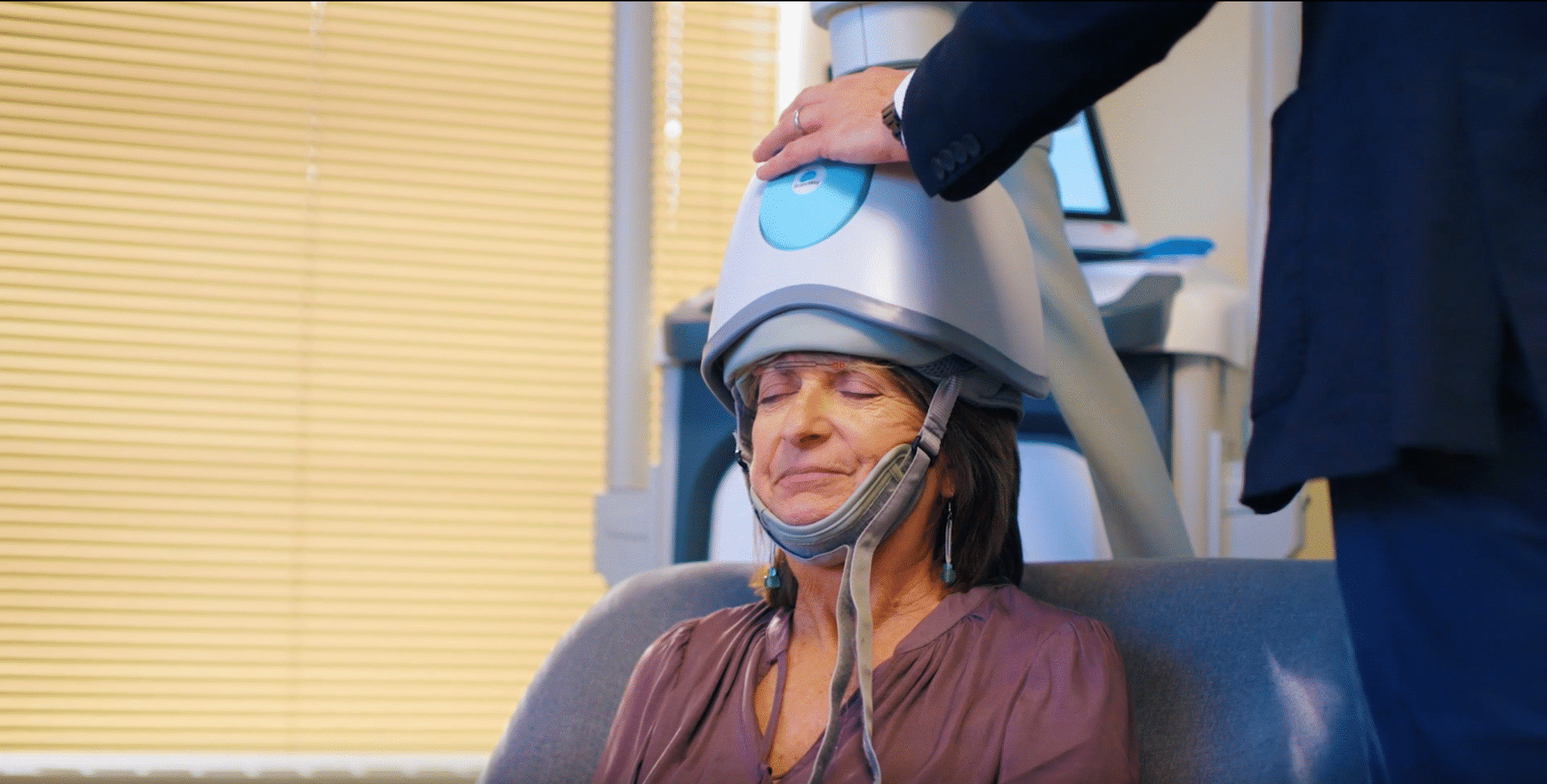
Transcranial magnetic stimulation (TMS) is a non-invasive procedure that uses magnetic pulses to stimulate brain regions associated with mood regulation. Standard TMS is proven, FDA-approved, and takes time. Accelerated TMS is the same machine—but a different schedule.
| Standard TMS Protocol: | Accelerated TMS Protocol: |
|---|---|
| 1 session per day | 5–10 sessions per day |
| 5 days per week | 1–2 weeks total duration |
| 6–7 weeks total duration | 5–20 total sessions |
| 30–40 total sessions | Full-day clinic visits (up to 8 hours) |
| Each session: 30–45 minutes | Sessions typically 3–10 minutes each |
The key innovation enabling accelerated TMS is iTBS (intermittent theta burst stimulation)—a pulsing pattern that delivers therapeutic benefit in just 3 minutes per session. This allows multiple sessions in one day without overloading neural tissue.
Types of Accelerated TMS Protocols
Not all accelerated TMS is created equal. Here are the main protocols clinicians use:
Accelerated rTMS / iTBS — Condensed Standard Schedule
This is a straightforward approach: take the standard TMS protocol and compress it into 1–2 weeks instead of 6–7 weeks. You receive 5–10 sessions per day using iTBS. It’s less complex than other accelerated protocols but still delivers faster results than standard TMS. Response rates are modest compared to SAINT TMS, but costs are lower.
SAINT TMS — Stanford Protocol (fMRI-Guided)
SAINT (Stanford Accelerated Intelligent Neuromodulation Therapy) is the highest-tech accelerated TMS protocol. It uses fMRI imaging to identify each patient’s unique brain circuit associated with depression. Treatments are then precisely targeted, typically over 5 days. Clinical trials show response rates of 79–85%—significantly higher than standard TMS (50–60%). The tradeoff: SAINT is expensive ($10,000–$20,000+), requires fMRI, and is available only at select centers.
Deep TMS (BrainsWay) — What Bright Horizons Uses
Deep TMS, using the BrainsWay H-Coil device, stimulates deeper brain regions than conventional TMS. It’s FDA-approved for treatment-resistant depression and offers both standard and accelerated protocols. Deep TMS reaches the anterior cingulate cortex and other key mood-regulating circuits. At Bright Horizons Psychiatry in Rockville, we use BrainsWay Deep TMS, which can be configured for accelerated TMS therapy to suit your needs.
Why Choose Accelerated TMS? The Real Benefits
Faster Relief:
With standard TMS, you wait 6–7 weeks for symptom improvement. Accelerated TMS can produce noticeable relief in as little as 1–2 weeks. For someone in acute distress or with suicidal ideation, this timeline matters.
Fewer Clinic Trips:
Instead of 30 separate visits over 7 weeks, you might complete 10–15 sessions in 5–10 days. If you have a demanding job, caregiving obligations, or live far from the clinic, this is a major advantage.
Potentially Higher Response Rates:
Early research suggests accelerated TMS, especially SAINT, may have higher remission rates than standard TMS. The concentrated intensity may amplify neuroplasticity.
Ideal for Acute Situations:
Accelerated TMS therapy is especially valuable if you’re in crisis—treatment-resistant depression with suicidal thoughts, severe functional impairment, or recent hospitalization. The speed matters.
The Downsides — What to Know Before Choosing Accelerated
Long Clinic Days:
A single day of accelerated TMS therapy can mean 6–8 hours at the clinic. While each session is short, the cumulative fatigue is real. Plan for time off work.
Insurance Won’t Cover It:
This is the biggest caveat. Standard TMS is covered by Medicare, Medicaid, and most private insurance. Accelerated TMS is considered experimental by insurers and typically requires self-pay.
High Out-of-Pocket Cost:
Accelerated TMS therapy costs $6,000–$36,000 depending on the protocol (SAINT is at the high end). Standard TMS at Bright Horizons may cost $300–$400 per session, insurance covering most of it. Accelerated is a significant financial commitment.
Same Side Effects:
Headache, mild scalp discomfort, neck tension, and rarely, seizure risk. These are the same as standard TMS. Intensity and frequency don’t change the safety profile.
Standard TMS vs. Accelerated TMS — Side-by-Side Comparison
| Feature | Standard TMS | Accelerated TMS |
|---|---|---|
| Sessions per Day | 1 | 5–10 |
| Duration | 6–7 weeks | 1–2 weeks |
| Total Sessions | 30–40 | 5–20 |
| Session Length | 30–45 min | 3–10 min |
| Clinic Time/Day | 30–50 min | 6–8 hours |
| Insurance Coverage | Yes (Medicare, Medicaid, most private) | No (self-pay) |
| Out-of-Pocket Cost | $0–$1,000+ (depends on plan) | $6,000–$36,000 |
| Response Rate | 50–60% | 60–85% (protocol-dependent) |
| Best For | Most patients; TRD; covered by insurance | Acute crisis; cannot commit 7 weeks; high out-of-pocket budget |
Who Is a Good Candidate for Accelerated TMS?
Accelerated TMS therapy isn’t for everyone. Consider it if:
- You have treatment-resistant depression (2+ antidepressants have failed)
- You are in acute distress or having suicidal thoughts
- You need relief urgently (can’t wait 6–7 weeks)
- You have a demanding schedule and can block 1–2 weeks for full-day clinic visits
- You have the financial resources to self-pay ($6K–$36K)
- You have no seizure disorder or metallic brain implants
- You’ve discussed accelerated TMS with your psychiatrist and it aligns with your clinical presentation
You may be a poor fit if:
- You cannot afford self-pay costs
- You cannot commit to 1–2 weeks of full-day appointments
- You prefer to start with a lower-intensity protocol
- Your depression is mild to moderate (standard TMS is sufficient)
- You have active seizure disorder or certain metallic implants
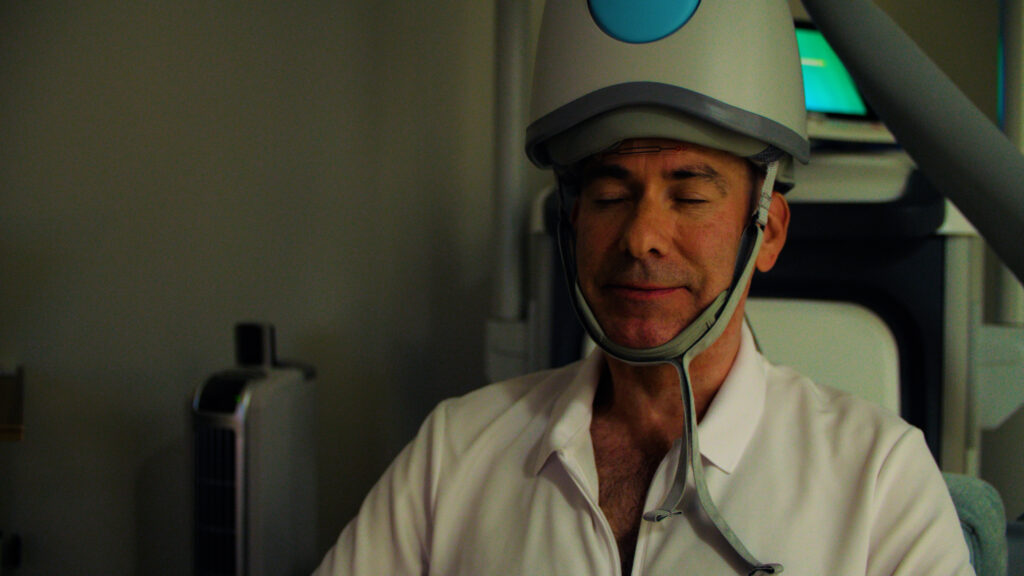
Accelerated TMS at Bright Horizons Psychiatry in Rockville, Maryland
At Bright Horizons Psychiatry, located at 6000 Executive Blvd, Suite 101, Rockville, MD 20852, we provide comprehensive TMS services including accelerated TMS therapy using the BrainsWay Deep TMS system.
Dr. Amir Etesam, MD, a Johns Hopkins-trained, board-certified psychiatrist with an MD from Howard University and AOA membership, leads our TMS program. He evaluates each patient individually to determine whether accelerated or standard TMS is appropriate.
What We Offer:
- BrainsWay Deep TMS (both standard and accelerated protocols)
- Comprehensive psychiatric evaluation
- Detailed discussion of benefits, risks, and costs
- Coordination with your primary care and psychiatric providers
- Flexible scheduling
- Medicare, Medicaid (Maryland), Aetna, BCBS, Cigna, UnitedHealthcare, and TRICARE coverage for standard TMS
Insurance vs. Self-Pay:
Standard TMS is covered by major insurance plans. Accelerated TMS therapy is typically self-pay, but we can discuss financing options during your consultation.
Service Area:
We serve the DC Metro area, Montgomery County, Maryland, Northern Virginia, and beyond. If you’re researching “accelerated TMS near me” in Maryland, Northern Virginia, or the DC area, we’re a convenient option.
How to Get Started with Accelerated TMS Near You
- Schedule a Consultation:
Call us at (240) 599-1001 or visit book.brighthorizonspsychiatry.com to schedule your initial evaluation. - Medical and Psychiatric Assessment:
Dr. Etesam will review your depression history, medication trials, medical history, and any contraindications for TMS. - Discuss Protocol Options:
Based on your clinical needs and preferences, we’ll discuss standard vs. accelerated TMS, expected outcomes, and realistic timelines. - Address Logistics:
If you choose accelerated TMS therapy, we’ll plan your clinic schedule and discuss payment options. - Begin Treatment:
Your accelerated TMS therapy will typically begin within 1–2 weeks of your evaluation.
Frequently Asked Questions (FAQ)
What is accelerated TMS?
Accelerated TMS is a treatment protocol that delivers multiple TMS sessions per day (5–10) over 1–2 weeks, using iTBS technology to achieve faster results than standard TMS (6–7 weeks, 1 session/day).
How is accelerated TMS different from standard TMS?
The core technology is identical, but accelerated TMS uses shorter, more frequent sessions (3–10 min each) enabled by iTBS, allowing 5–10 sessions per day. Standard TMS uses longer sessions (30–45 min) once daily. Accelerated TMS reaches results in weeks instead of months.
Is accelerated TMS covered by insurance?
Generally, no. Insurance companies classify accelerated TMS therapy as experimental. Standard TMS is covered by Medicare, Medicaid, and most private insurers. Accelerated TMS requires self-pay.
How much does accelerated TMS cost?
Costs range from $6,000 to $36,000 depending on the protocol. Basic accelerated iTBS protocols cost around $6,000–$10,000. Advanced protocols like SAINT TMS (fMRI-guided) cost $15,000–$20,000+. Standard TMS is typically $300–$400 per session, mostly covered by insurance.
Where can I get accelerated TMS therapy near me in Maryland?
Bright Horizons Psychiatry in Rockville offers accelerated TMS therapy using BrainsWay Deep TMS. We serve Maryland, Northern Virginia, and the DC Metro area. Call (240) 599-1001 or visit brighthorizonspsychiatry.com to schedule a consultation.
Accelerated TMS therapy is a powerful option for patients with treatment-resistant depression who need relief fast. It condenses 6–7 weeks of treatment into 1–2 weeks, offering potentially higher remission rates and fewer total clinic visits. The tradeoff is longer individual clinic days, self-pay costs, and the need to block significant time from your schedule.
At Bright Horizons Psychiatry in Rockville, Maryland, Dr. Amir Etesam evaluates each patient to determine whether accelerated or standard TMS is the right fit. With our BrainsWay Deep TMS system, we’re equipped to offer both protocols and ensure you receive compassionate, evidence-based care.
If you’re struggling with depression and wondering whether accelerated TMS therapy near you in Maryland is right for you, don’t wait. Contact Bright Horizons Psychiatry today for a free consultation.