
If a psychiatrist has recommended Spravato for treatment-resistant depression, you have probably been told that the medication can only be given in a certified clinic, that you have to be monitored for two hours after each dose, and that you have to enroll in something called the REMS program before treatment can begin. None of that is normal compared to other psychiatric medications, and most patients have questions before they agree to it.
The Spravato REMS program is a real safety system, not a bureaucratic hurdle, and understanding it helps explain why Spravato treatment looks the way it does. The same rules that feel inconvenient on paper turn out to be the reason Spravato can be used safely in an outpatient setting at all, rather than only in a hospital.
This guide walks through what REMS actually is, why the FDA requires it for Spravato, what the rules mean in practice during a typical treatment day, what happens at enrollment, and how the financial side works for patients in Maryland. By the end you should have a clear picture of what to expect before, during, and after each Spravato visit.
What REMS Means and Why Spravato Has One
REMS stands for Risk Evaluation and Mitigation Strategy. It is an FDA program that applies to certain medications where the benefits clearly outweigh the risks but the risks need active management to keep patients safe. Spravato is one of those medications.
The active ingredient in Spravato is esketamine, which is closely related to ketamine. After each dose, patients can experience sedation, dissociation (feeling disconnected from yourself or your surroundings), changes in blood pressure, and in rare cases respiratory depression. These effects are usually mild to moderate, they wear off within a couple of hours, and they happen during the observation window so they can be managed by trained staff if needed.
The FDA looked at this profile and decided that Spravato is genuinely valuable for patients with treatment-resistant depression who have not responded to other antidepressants, but only if certain protections are in place. Those protections became the Spravato REMS program.
The Three Pieces of the REMS Program
The Spravato REMS program has three main components, and all three have to be in place before a patient can receive treatment.
First, the healthcare setting where Spravato is given has to be certified by the REMS program. Outpatient certification is its own application process that includes documenting the right physical space, equipment for monitoring vital signs, trained staff, and protocols for handling adverse events. Most psychiatry practices in Maryland are not certified for Spravato, which is why patients often have to travel to a specialty practice that is.
Second, the prescribing healthcare provider has to be enrolled in REMS. This requires completing training on Spravato’s risks and the monitoring protocol, plus annual recertification.
Third, the patient has to be enrolled in REMS individually. This involves a one-time form signed by both the patient and the provider that confirms the patient understands the risks and the monitoring requirements. Without patient enrollment, the certified clinic cannot administer Spravato.
The 2-Hour Observation Rule and Why It Exists
The most distinctive part of Spravato REMS is the requirement that every patient be monitored on-site by a healthcare provider for at least two hours after every single dose. This rule does not change once you have been on Spravato for a while. It applies on day one and on dose number fifty.
The reason is that the side effects most associated with Spravato all happen during this window. Sedation usually peaks within thirty to sixty minutes and resolves over the next hour or so. Dissociation, when it occurs, tends to be most pronounced in the first thirty minutes. Blood pressure can rise after dosing and needs to be monitored to make sure it comes back to baseline before the patient leaves. Most adverse effects, when they happen, happen within the first ninety minutes and are fully resolved by the two-hour mark.
The two-hour rule is also why Spravato can never be sent home with a patient. Other psychiatric medications are dispensed at a pharmacy and taken at home on a regular schedule. Spravato is administered only in a certified clinic, observed by trained staff, and never leaves the building.
What the 2 Hours Actually Look Like
The observation period is not two hours of medical procedures. It is mostly two hours of resting comfortably while staff check on you periodically. After the nasal spray is administered, most patients sit in a recliner or comfortable chair in a quiet room. Staff check vital signs at intervals (typically pre-dose, around forty minutes after dosing, and again before discharge).
Patients usually experience some combination of feeling drowsy, mildly disconnected from their surroundings, or floating. Some patients describe it as “pleasantly weird.” Others find the dissociation more intense and prefer to keep their eyes closed and listen to music. The clinic provides a calm environment, and most patients spend the time resting, listening to a podcast or playlist, or napping.
Toward the end of the two hours, vital signs are rechecked. If the patient is alert, oriented, and stable, the provider clears them to leave. They cannot drive themselves home, so a ride needs to be arranged in advance. By the next morning after a good night’s sleep, almost all patients feel back to normal and can drive and work as usual.
Patient Enrollment in the Spravato REMS Program
Patient enrollment is a one-time process that happens before the first dose. It is straightforward but it cannot be skipped, and patients sometimes wonder what they are actually signing.
What the Enrollment Form Covers
The form is essentially an informed consent document combined with REMS registration. It confirms that the patient and provider have discussed the risks of sedation, dissociation, respiratory depression, and the potential for misuse. It confirms that the patient understands they will need to be observed for two hours after every dose. It confirms that the patient understands they cannot drive on the day of treatment. And it confirms that the patient agrees to receive Spravato only at certified healthcare settings.
Both the patient and the prescriber sign the form. A copy is kept in the patient’s record, and the form is submitted to the central Spravato REMS program. Once enrollment is complete, the clinic can begin treatment scheduling.
What Patients Need to Know Before Signing
The conversation with the prescriber before enrollment should cover several things. The treatment schedule (twice a week for the first four weeks, then weekly, then every other week, depending on response). The expected side effect profile. The medication interactions to be aware of, especially with other sedating substances. The driving and machinery restrictions on treatment days. The expected timeline to see whether Spravato is helping (most patients can tell within four to six weeks).
If the prescriber has not covered all of this, slow down and ask. A good Spravato program treats enrollment as the start of a real conversation about whether the treatment is right for the patient, not as a form to push through.
What a Typical Spravato Treatment Day Looks Like
Once enrollment is complete and the first dose is scheduled, the rhythm of a treatment day becomes predictable.
Patients are usually asked to avoid food for two hours before the appointment because Spravato can cause nausea, especially during the first few doses. Hydration is encouraged. Most patients arrive about fifteen minutes before the scheduled treatment time to check in and have baseline vital signs taken.
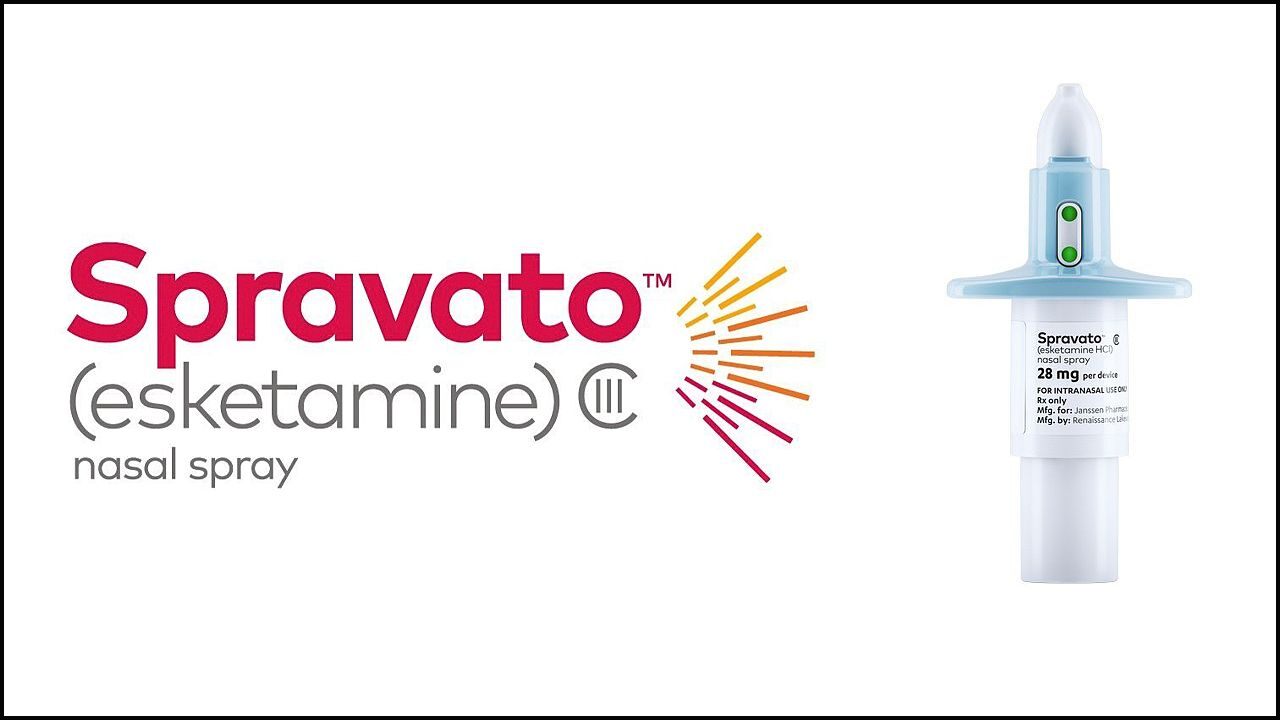
The prescriber or trained nurse reviews how the previous treatment went, asks about any side effects, and confirms the patient is okay to receive the dose today. The Spravato itself is a nasal spray that the patient self-administers under direct observation, usually in two or three sprays per nostril spaced a few minutes apart.
After the final spray, the patient settles into the observation chair. The next ninety minutes are quiet. Vital signs are checked at the forty-minute mark. Toward the end of the second hour, the prescriber returns, rechecks vital signs, asks how the patient is feeling, and clears them for discharge if everything looks good.
The patient then leaves with a pre-arranged ride. They are advised not to drive, operate machinery, or make important decisions until the next morning following a full night of sleep.
Insurance and the Observation Cost
The financial side of Spravato has two pieces. The medication itself, and the cost of the two-hour observation. Insurance coverage is different for each, which sometimes catches patients off guard.
Coverage for the Medication
Most commercial insurance plans, Medicare Part B, and Maryland Medicaid cover Spravato for patients who meet the FDA-approved criteria, which generally means a documented diagnosis of treatment-resistant depression with at least two prior failed antidepressant trials. Prior authorization is almost always required, and the clinic typically handles this on the patient’s behalf.
Coverage for the Observation
The observation period is billed separately from the medication. Most insurance plans cover this, but the specific billing codes (like G2082 for doses under 56 mg, G2083 for doses of 84 mg) and the rules around them have changed several times since Spravato was approved, including significant updates in 2026. Reputable Spravato programs stay on top of this so patients are not stuck with surprise bills.
The Janssen Observation Rebate Program
For commercially insured patients, the manufacturer of Spravato (Janssen) offers an Observation Rebate Program that can reduce out-of-pocket observation costs to zero for eligible patients. The rebate covers observation costs only, not the medication. It is not available for patients covered by Medicare, Medicaid, TRICARE, VA, or any other government-funded program. Eligibility and program details can change, so checking with the clinic and the manufacturer is the best way to get current information.
Spravato Treatment at Bright Horizons Psychiatry
Our practice in Rockville is a REMS-certified outpatient healthcare setting for Spravato. The certification means we have the trained staff, the monitoring equipment, and the dedicated treatment space to administer Spravato safely under the REMS program.
Who We Treat With Spravato
We use Spravato primarily for adult patients with treatment-resistant depression who have not responded to two or more standard antidepressant trials. We also use it in selected cases of major depressive disorder with acute suicidal thinking, in conjunction with other treatment, when the clinical picture supports it. More on the conditions where Spravato is indicated is available on our treatment-resistant depression page.
What Treatment Looks Like at Our Clinic
Our Spravato treatment rooms are designed to be calm and comfortable rather than clinical. Patients have private space, dim lighting, recliners, and the option to use their own headphones. The two hours are quiet and unhurried. Our team’s goal is for patients to actually rest during observation rather than counting minutes.
Treatment scheduling follows the standard FDA protocol. Twice a week for the first four weeks, weekly during the second month, and every one to two weeks thereafter for maintenance, adjusted based on individual response. Full details on the treatment process are on our Spravato page.
Insurance Verification and Prior Authorization
Our intake team handles insurance verification and prior authorizations for Spravato before treatment begins. We accept Medicare, Maryland Medicaid, and most major commercial insurance plans. The full list of accepted plans is available on our insurance eligibility page.
Safety Monitoring
Each treatment day includes pre-dose vital signs, in-treatment monitoring, post-dose vital sign rechecks, and discharge clearance by a healthcare provider. Adverse effects are documented and reported to the REMS program as required. For full details on the safety profile of Spravato, see our important safety information page.
Common Questions Patients Ask Before Starting Spravato
The two most common questions patients ask before their first dose are about the dissociation experience and the time commitment.
On dissociation, the experience varies but it is rarely scary for most patients. People describe it as feeling “spacy,” “floaty,” or “watching themselves from a slight distance.” For many patients the experience is neutral or even calming. For others it is uncomfortable but manageable. Our staff is trained to help patients through it, and the experience is fully resolved within two hours.
On the time commitment, the honest answer is that Spravato treatment requires real schedule planning. The induction phase (twice a week for four weeks) means roughly three hours per visit, twice a week, plus travel. Most patients arrange to either work from home on treatment days or take half-days. The schedule eases significantly after the first month.
The trade-off is that for patients whose depression has not responded to other treatments, Spravato can produce meaningful improvement within weeks. The time investment is real, but the alternative for many patients is continued depression that has not responded to anything else.
Where to Learn More
For the official patient-facing overview of the Spravato REMS program, the SpravatoREMS.com patient page has the full details on enrollment requirements, what to expect, and how the program works.
If you are considering Spravato treatment in Maryland, an evaluation with a specialty psychiatrist is the next step. The decision about whether Spravato is the right treatment depends on the diagnosis, prior treatment history, and individual circumstances that can only be assessed through a thorough evaluation.
Frequently Asked Questions
Why does Spravato require REMS when other antidepressants do not?
The FDA requires REMS for medications where the benefits clearly outweigh the risks but the risks need active management to be safe. Spravato can cause sedation, dissociation, blood pressure changes, and in rare cases respiratory depression in the first two hours after a dose. The REMS program ensures these effects are monitored by trained staff in a certified setting, which is what makes outpatient Spravato treatment possible at all.
Can I do Spravato treatment at home?
No. Spravato can never be dispensed for home use. Every dose must be administered in a REMS-certified outpatient or inpatient healthcare setting under direct observation by a healthcare provider, followed by at least two hours of monitoring before discharge.
How long does the patient enrollment process take?
Patient enrollment is usually completed during the initial Spravato consultation. The form is signed by both the patient and the prescriber, submitted to the central REMS program, and treatment can typically begin within a few days once insurance authorization is also in place.
Do I have to enroll in REMS again if I change clinics?
Patient enrollment in REMS itself is one-time, but the new clinic has to be REMS-certified and your records and treatment history have to be transferred properly. Coordination between the previous and new clinic is required, and there is a transfer notification that goes to the central REMS program.
What happens if I miss the 2-hour observation period?
You cannot leave the clinic before the two-hour observation is complete and the provider has cleared you for discharge. This is a safety requirement, not a flexible guideline. If you have a scheduling constraint that conflicts with the full observation, the treatment is rescheduled.
Does Medicare cover Spravato?
Yes. Medicare Part B covers Spravato for treatment-resistant depression in eligible patients, including the medication and the observation period. Coverage details may vary slightly by Medicare Advantage plan, and prior authorization is typically required.
What if I cannot afford the observation cost?
For commercially insured patients, the Janssen Observation Rebate Program can reduce out-of-pocket observation costs to zero for eligible patients. The rebate is not available for patients on Medicare, Medicaid, TRICARE, or VA coverage. The clinic can help check eligibility before treatment starts.
How long do I need to stay enrolled in REMS?
Patient enrollment in REMS continues for as long as you are receiving Spravato treatment. Once you discontinue treatment, you do not need to take any specific action to “unenroll.” If you restart Spravato later, your enrollment can usually be reactivated rather than redone from scratch.